Emergency Tree Services
24-hour emergency response for fallen trees and dangerous tree situations.
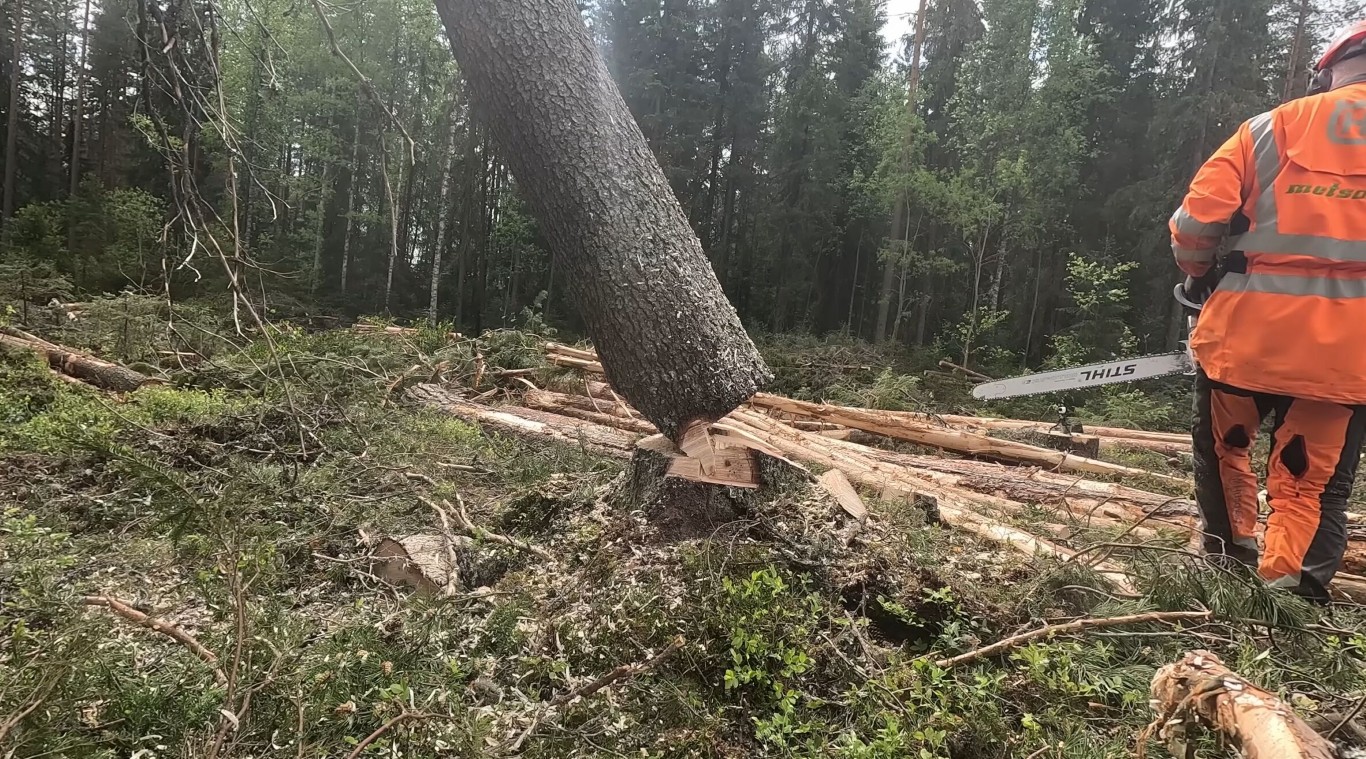
When to Call for Emergency Tree Service
Tree emergencies do not wait for business hours. When a tree falls on your house, blocks your driveway, or threatens to collapse onto power lines, you need help immediately. Sparkwood Daly City Tree Service provides 24-hour emergency response for these critical situations. We understand the stress and potential danger of tree emergencies, and we respond quickly to protect your property and restore safety.
Storm damage creates the most common tree emergencies in the Bay Area. High winds snap branches and topple entire trees, especially during our winter storms. Heavy rain saturates soil, making it easier for trees to uproot. These storms often strike overnight or on weekends when you are least prepared to deal with the aftermath. Having a reliable emergency tree removal service on call gives you peace of mind when severe weather threatens.
Some emergencies develop more gradually but still require urgent attention. A tree that splits partially during a storm might hang precariously over your house or car. Large branches crack but do not fall completely, creating widow makers that could drop at any moment. These situations are extremely dangerous because the timing of failure is unpredictable. Professional assessment and immediate action prevent injuries and property damage.
Not every tree problem qualifies as an emergency. A dead tree standing in your backyard away from structures can wait for normal business hours. But when trees or branches threaten immediate harm to people, buildings, vehicles, or utilities, that is when emergency service becomes necessary. We help you assess the urgency and respond appropriately to your specific situation.
Our Emergency Response Process
When you call our emergency line, you reach a real person who can help you immediately, not an answering service or voicemail. We ask key questions to assess the situation and determine the appropriate response. Is anyone in danger? Are power lines involved? Is the tree actively blocking access? This information helps us prioritize responses and arrive prepared with the right equipment.
Our emergency crews typically arrive within two to four hours, depending on the severity of your situation and current demand. During major storms when multiple emergencies occur simultaneously, we triage calls based on safety threats. A tree on a house with people inside gets priority over a tree blocking an empty driveway. We keep you informed about response times and what to expect.
What We Do During Emergency Calls:
- Rapid assessment of safety hazards and structural stability
- Immediate securing of dangerous hanging branches or split trees
- Safe removal of trees or branches from buildings and vehicles
- Clearing of driveways, roads, and access points
- Emergency tarping of damaged roofs when trees puncture them
- Coordination with utility companies for power line issues
- Documentation of damage for insurance claims
- Cleanup of debris to restore basic property access and safety
Safety drives every decision in emergency situations. If power lines are involved, we coordinate with the utility company before touching the tree. Lines that appear dead can still carry lethal voltage. We never compromise crew or customer safety to work faster. Sometimes the safest approach requires waiting for utility workers to secure the area before we can proceed with tree removal.
Preventing Tree Emergencies
Many tree emergencies are preventable with proper maintenance and regular inspection. Trees that receive professional care every few years rarely fail catastrophically. Dead branches get removed before they fall. Weak attachments get corrected or removed. Structural issues get addressed while they are manageable. This proactive approach costs far less than emergency services and property repairs after a tree fails.
Warning signs of potential failure include large dead branches, cracks in major limbs or trunk, fungal growth on the trunk, sudden lean or tilting, and exposed or damaged roots. Trees that have been topped or badly pruned in the past are particularly prone to failure. If you notice any of these warning signs, schedule an inspection before the next storm season. Our arborists can identify risks and recommend corrective actions that prevent emergencies.
Location matters significantly in tree risk assessment. Trees overhanging your house, garage, or where you park cars pose higher risks than trees standing in open areas. Trees near power lines can cause service disruptions and fire hazards if they fail. Large trees with decay or structural problems near property lines can damage your neighbor's property, creating liability concerns. Regular tree trimming and pruning reduces these risks substantially.
Soil and root conditions affect tree stability in ways that are not always visible. Shallow roots, compacted soil, construction damage to roots, and changes in soil moisture can all weaken a tree's foundation. Trees planted in inappropriate locations may never develop adequate root systems. If you are concerned about a tree's stability, especially before storm season, professional assessment can identify problems before they become emergencies.
Working With Insurance After Tree Damage
Understanding insurance coverage before an emergency helps you make better decisions when disaster strikes. Most homeowners insurance covers tree removal when the tree damages a covered structure like your house or garage. However, coverage for trees that fall but do not hit anything is limited or excluded. Policies typically cover removal of trees that block driveways or handicap access, but with lower limits than damage to structures.
Document everything when tree damage occurs. Take photos of the tree before removal if possible, showing how it fell and what it damaged. Photograph the damage to structures from multiple angles. Save all receipts for emergency services and repairs. This documentation supports your insurance claim and helps adjusters understand what happened.
We work with insurance companies regularly and can provide detailed reports and estimates for your claim. Our invoices break down services clearly, showing emergency response, removal work, and cleanup separately. This transparency helps adjusters process claims efficiently. We can also identify damage that might not be immediately obvious, such as structural stress to roof systems or hidden foundation issues.
Some homeowners worry about whether to file claims for tree damage. Consider your deductible compared to the total damage and service costs. Small jobs that cost less than your deductible might not be worth claiming. Major damage that far exceeds your deductible typically warrants a claim. We can provide estimates before you decide whether to involve your insurance company.
Prevention through regular maintenance is not just about avoiding emergencies. It also demonstrates responsible property management if disputes arise with insurance companies or neighbors. Records showing consistent tree care help establish that you maintained your property properly. This documentation can matter significantly if a tree from your property damages a neighbor's property or if you need to make a liability claim.
Frequently Asked Questions
Need Emergency Tree Service Now?
Call our 24-hour emergency line for immediate assistance.
(650) 668-0726Available 24/7 for emergency tree situations