Shrub & Hedge Trimming
Professional shrub and hedge care that keeps your landscape looking sharp all year.
Why Professional Shrub and Hedge Trimming Matters
Well-maintained shrubs and hedges transform your landscape from ordinary to exceptional. At Sparkwood Daly City Tree Service, we provide professional trimming services that keep your shrubs and hedges healthy, attractive, and properly shaped throughout the year. The difference between amateur hacking and skilled trimming shows immediately in how plants look and how well they grow afterward.
Overgrown shrubs make your entire property look neglected, even if everything else is perfect. They block windows, crowd walkways, and hide your home's architectural features. Hedges that should define spaces become shapeless masses that detract from your landscape design. Regular professional trimming maintains the clean lines and proportions that make landscaping look intentional and well-cared-for.
Beyond appearances, proper trimming promotes plant health and longevity. Removing dead or diseased branches prevents problems from spreading. Opening up dense growth improves air circulation that reduces fungal diseases. Strategic cuts encourage bushier growth and more flowers on flowering shrubs. Plants that receive proper care simply perform better and live longer than neglected ones.
Timing and technique make huge differences in results. Different shrubs have different growth patterns and flowering cycles. Some should be trimmed after flowering, others before. Some tolerate heavy pruning while others respond poorly to aggressive cutting. Understanding these differences comes from experience with the specific plants common in Bay Area landscapes. Our knowledge helps your shrubs and hedges thrive rather than just survive.
Our Shrub and Hedge Trimming Services
Formal hedges require precision trimming to maintain their geometric shapes. We use professional hedge trimmers and hand tools to create crisp, even surfaces on boxwood, privet, and other formal hedge plants. These hedges need regular attention during the growing season, typically three to four times per year, to maintain their shape. Each trimming removes new growth before it disrupts the clean lines that define formal hedges.
Informal shrub borders have a more natural appearance but still benefit from regular trimming. These plantings need selective pruning to control size, remove dead material, and maintain attractive shapes. We work with each shrub's natural growth habit rather than forcing everything into identical shapes. This approach looks more natural while still keeping growth controlled and attractive.
What We Handle in Shrub and Hedge Care:
- Precision trimming of formal hedges for clean, geometric shapes
- Natural shaping of informal shrub borders and foundation plantings
- Rejuvenation pruning for overgrown or neglected shrubs
- Deadheading and cleanup of flowering shrubs
- Height reduction for shrubs that have outgrown their space
- Selective thinning to improve plant health and appearance
- Complete removal and disposal of all trimmings
- Recommendations for plant replacement when needed
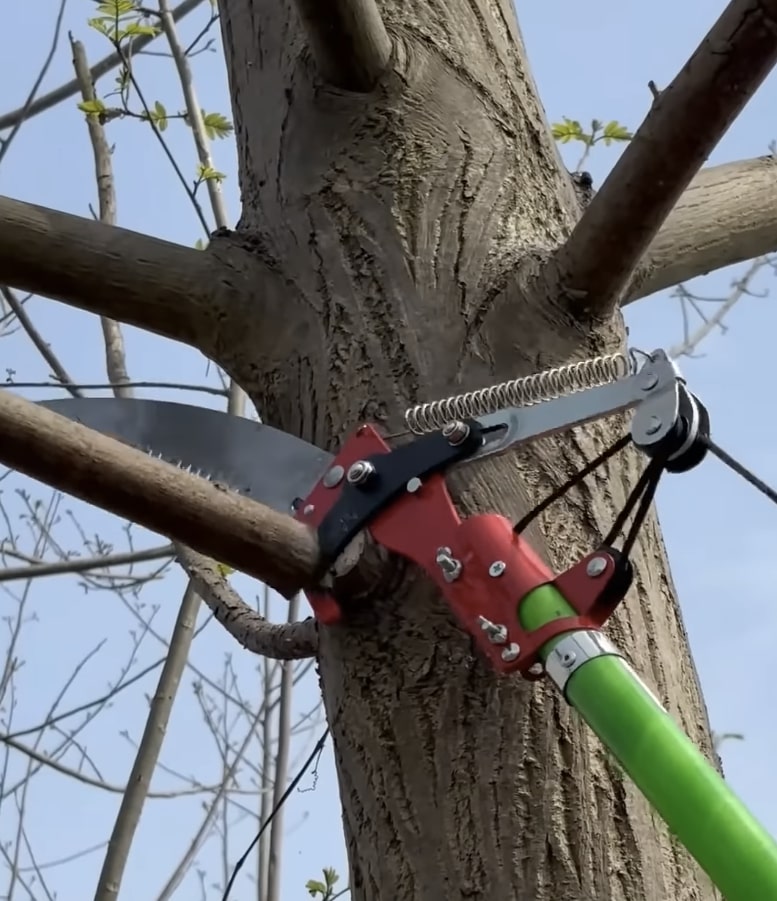
We match our equipment to the job at hand. Hedge trimmers create smooth surfaces on formal hedges quickly and efficiently. Hand pruners allow precise selective cuts on individual shrubs. Loppers handle thicker branches on mature shrubs. Using the right tool prevents damage and produces better results. Our professional equipment stays sharp and well-maintained, which makes cleaner cuts that heal faster than torn or crushed cuts from dull tools. When shrubs become too large or diseased, services like complete removal provide solutions.
Seasonal Shrub Care in Daly City
Spring brings rapid growth that requires prompt attention for formal hedges. This is when most flowering shrubs bloom, which affects trimming timing. Spring-flowering shrubs like lilacs and forsythias should be trimmed immediately after flowering, not before. Trimming too early removes flower buds and eliminates the show you have been waiting for. Summer-flowering shrubs can be trimmed in spring because they bloom on new growth.
Summer maintenance keeps hedges looking sharp during the season when you use your yard most. Formal hedges may need trimming every four to six weeks during peak growth. This frequent attention prevents having to remove large amounts of growth at once, which can damage plants and leave brown patches. Light frequent trimming maintains shape while keeping plants healthy and green all the way to the surface.
Fall preparation involves final shaping before winter and cleanup of any disease or damage that developed during summer. This is also when we identify shrubs that need more extensive work during winter dormancy. Fall trimming should stop early enough that new growth has time to harden off before cold weather. Late fall trimming that encourages tender new growth can lead to winter damage.
Winter offers the best time for major renovation work on overgrown shrubs. Many deciduous shrubs tolerate hard pruning during dormancy that would stress them during active growth. This is when we can see the structure of plants clearly and make strategic cuts to improve shape. Winter is also when we focus on evergreen foundation plantings that need shaping but were too full of birds nesting earlier in the year. Combined with tree trimming, winter shrub work prepares your landscape for spring.
Common Shrub Problems and Solutions
Overgrown shrubs that have gotten completely out of hand need renovation pruning rather than regular trimming. This involves cutting plants back hard to encourage new growth from the base. Not all shrubs tolerate this treatment, so knowing which ones can bounce back from severe pruning matters greatly. We can assess your overgrown shrubs and recommend whether renovation or replacement makes more sense.
Bare or thin spots in hedges result from various causes including poor pruning technique, disease, pest damage, or simply old age. Sometimes selective pruning of surrounding areas helps fill gaps by redirecting growth. Other times, replacement plants need to be added to fill holes. We can diagnose why gaps developed and recommend solutions that restore hedge appearance and function.
Disease problems in shrubs often show up as discolored leaves, dying branches, or unusual growth patterns. Fungal diseases spread easily in dense, poorly ventilated plantings. Thinning overcrowded shrubs improves air circulation and reduces disease pressure. Some diseases require treatment beyond pruning, while others simply need removal of affected branches and better cultural practices going forward.
Plants in wrong locations create ongoing maintenance headaches. Shrubs planted too close to buildings or walkways require constant cutting back to maintain clearances. Sun-loving plants in shade grow weak and sparse. Shade plants in full sun get scorched and struggle. Sometimes the best solution is moving or replacing plants rather than fighting their natural tendencies. We can help you identify these mismatches and suggest better alternatives.
Frequently Asked Questions
Ready for Professional Shrub Care?
Call us today for expert shrub and hedge trimming services.
(650) 668-0726